
Heavy Metal Fabrication: Types and Applications
- Sheet Metal |
- Feb 18, 2026
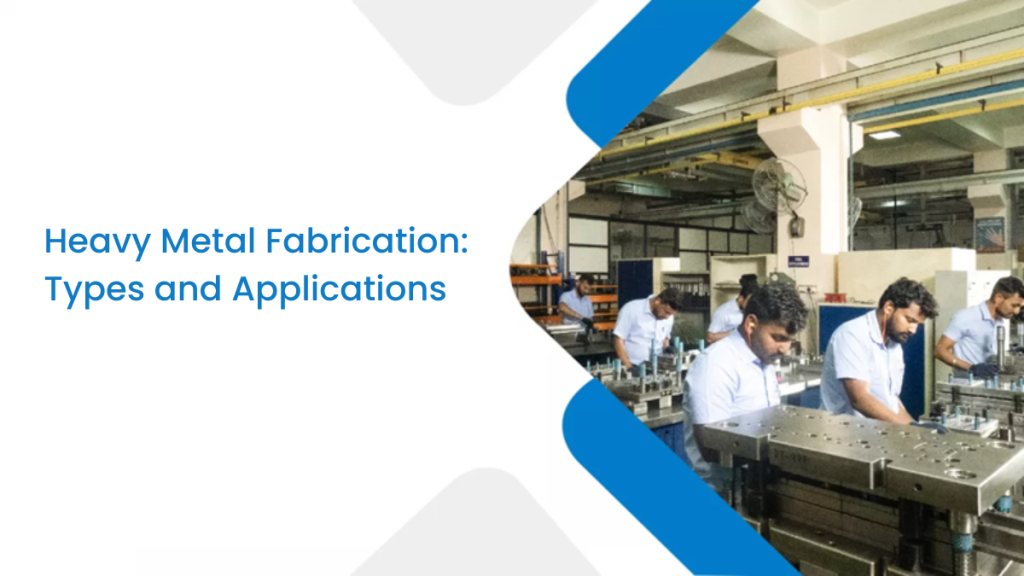
The modern industrial landscape relies heavily on heavy fabrication to deliver durable, large-scale metal structures and components essential for infrastructure, manufacturing, and energy sectors. As a critical segment of fabrication manufacturing, heavy metal fabrication supports the strength, safety, and operational efficiency of complex mechanical systems. Within the evolving fabrication industry, companies such as Eigen Engineering play a vital role in delivering precision-driven solutions tailored to demanding industrial requirements.
Read this comprehensive overview of heavy fabrication, outlining its core processes, key types of fabrication, and major industrial applications.
Understanding Heavy Metal Fabrication
Heavy metal fabrication can be defined as the process of cutting, shaping, machining, welding and rejoining of heavy and strong metal materials into big parts or structures. Unlike light or sheet metal work, heavy fabrication deals with high-load-bearing materials such as structural steel, carbon steel, stainless steel, and specialised alloys.
Within the metal fabrication industry, heavy fabrication plays a vital role in producing components that must withstand extreme stress, pressure, and environmental conditions. High accuracy and high-quality control are necessary to guarantee the safety, durability, and adherence to industry standards.
Role of Heavy Metal Fabrication in the Fabrication Industry
The metal fabrication industry depends on heavy metal fabrication to produce components that enable industrial growth and infrastructure development. Massive metal cutdown guarantees the production of load structures, industrial equipment, in addition to tailored assembly needed in large-scale operations.
In advanced fabrication manufacturing, the integration of modern CNC machinery, precision welding techniques, and quality control systems ensures consistent performance across projects. As a result, heavy fabrication continues to drive innovation and efficiency across the broader fabrication industry.
Types of Fabrication in Heavy Metal Fabrication
The process of creating fabrication in heavy metal fabrication requires understanding the nature of fabrication to be used in the selection of the manufacturing method.
1. Structural Metal Fabrication
Structural fabrication is a foundational element of heavy fabrication. It deals in the manufacturing of beams, columns, trusses, platforms, and structures that are utilised in the building industry and other industrial amenities. Large structure components produced by fabrication are the ones that are very strong and stable enough to undertake the big infrastructure project.
2. Sheet Metal Fabrication
Although historically linked to the purchase of less dense materials, sheet metal fabrication is a significant aspect of heavy metal fabrication in cases where considerable enclosures, panels, and ducting systems are fabricated with the use of thick sheet metal. Precision cutting, bending, and forming processes ensure accuracy and consistency within the metal fabrication industry.
3. Machining and Precision Fabrication
Machining is a critical process in heavy fabrication, involving material removal to achieve exact dimensions and tolerances. CNC machining is beneficial in the fabrication and manufacturing process, allowing it to produce shafts, flanges, gears, and custom works of industrial components that must be precise and high-quality.
4. Welding and Assembly
Welding plays the key role in the fabrication of heavy metal, making sure of stable joints and the permanence of structures. Advanced welding techniques such as MIG, TIG, and submerged arc welding are widely used across the fabrication industry to assemble heavy components that must endure mechanical stress and environmental exposure.
5. Forming and Shaping Processes
The fabricators can create fashionable profiles by rolling, bending and forging to create heavy metal into functional profiles. These processes expand the scope of types of fabrication available within fabrication manufacturing, enabling the creation of complex geometries for industrial applications.
6. Heavy Metal Cutting
Cutting operations such as plasma cutting, laser cutting, and waterjet cutting play a crucial role in heavy fabrication. These methods ensure efficient material utilisation while maintaining precision, reinforcing quality standards within the metal fabrication industry.
Applications of Heavy Metal Fabrication
The scope of heavy fabrication spans multiple industries that depend on strong, reliable, and precisely engineered metal components.
1. Construction and Infrastructure
One of the highest providers of heavy metal fabrication is the construction industry. Structural steel frameworks, bridges, industrial buildings, and infrastructure projects rely on heavy fabrication for strength and durability.
2. Manufacturing and Industrial Equipment
Manufacturing facilities depend on fabrication manufacturing to produce machinery, production lines, material handling systems, and industrial tooling. The fabricated heavy parts guarantee stability in functionality and effectiveness during harsh working conditions.
3. Oil, Gas, and Energy
The energy sector relies heavily on the fabrication industry for pipelines, pressure vessels, storage tanks, offshore platforms, and power plant equipment. Heavy fabrication ensures these components can withstand high pressure, temperature, and corrosive conditions.
4. Transportation and Heavy Engineering
The transportation industries are supported by the heavy metals fabrication; they include production of chassis, frames, rail components, ship fabrication and heavy vehicle structure assembly. The fabrication is precise to ensure safety, performance, and durability.
5. Agriculture and Heavy Machinery
Agricultural machinery such as tractors, harvesters, and earth-moving equipment depends on heavy fabrication for rugged performance in challenging conditions. Reliability of equipment is directly related to the strength of fabricated components.
Importance of Quality in Fabrication Manufacturing
Quality assurance is fundamental to heavy fabrication. Strict production check points and material testing, as well as delivery to engineering requirements, are measures to ensure fabricated components are performance worthy. In the competitive fabrication industry, quality-driven fabrication manufacturing enhances reliability, reduces downtime, and extends product life cycles.
Customisation and Engineering Expertise
Custom heavy metal manufacturing enables the fabrication manufacturers to provide a solution to the narrow operational requirements. Through advanced design and engineering capabilities, fabrication manufacturing enables the production of bespoke components that align with project-specific requirements, reinforcing the value of specialised expertise within the metal fabrication industry.
Conclusion
Heavy fabrication remains a cornerstone of modern industrial development, supporting essential sectors through robust and reliable manufacturing solutions. By leveraging advanced fabrication manufacturing techniques and diverse types of fabrication, the fabrication industry continues to deliver high-performance metal structures and components.
Tightly controlled, high-duration, and high-quality engineering, heavy metal fabrication is a viable solution to organisations intending to succeed in the long-run operational performance. With its commitment to quality and technical expertise, Eigen Engineering stands well-positioned within the evolving metal fabrication industry, delivering dependable solutions that meet the highest industrial standards.
About Author
Related Posts