
Smarter Metal Fabrication Design to Reduce Scrap
- Sheet Metal |
- Feb 24, 2026
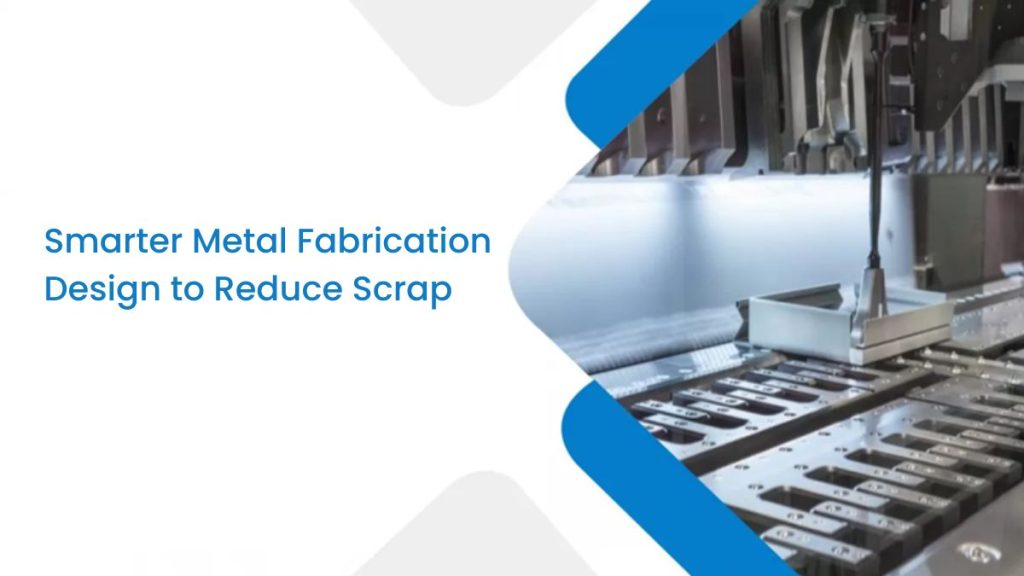
In today’s competitive manufacturing environment, controlling fabrication scrap is no longer optional; It is a strategic imperative. The cost of material is a huge percentage of the overall production costs, and any amount of excessive scrap is directly going to reduce profitability, extend lead time and erode sustainability targets.
At Eigen Engineering, smarter metal fabrication design begins with a proactive approach to fabrication scrap control. By integrating advanced engineering principles, optimised tooling strategies, and data-driven process management, manufacturers can achieve measurable improvements in assembly scrap reduction and the overall reduction of scrap material across operations.
Understanding Fabrication Scrap in Modern Manufacturing
Fabrication scrap refers to unusable material generated during cutting, forming, machining, stamping, or assembly processes. Scrap can take place at any of the following stages:
- Raw material rejection due to quality defects
- Partially processed components that fail tolerance checks
- Finished goods that do not meet specification requirements
Although scrap can be scrappy with recycling, the investment is low when it is compared to the initial investment. More to the point, there are also hidden costs in scrap, such as machine downtimes, labour expenses, cost of tools, inspection, handling, and disposal.
A structured strategy focused on the reduction of scrap material improves operational efficiency, strengthens quality control, and enhances customer value.
Design-Led Strategies to Reduce Fabrication Scrap
The most effective way to control fabrication scrap begins at the design stage. Early strategic engineering choices in product development directly affect the use of materials, efficiency of production and minimisation of waste in the long-term.
1. Optimised Nesting for Maximum Material Utilisation
One of the most effective methods to reduce fabrication scrap in sheet metal operations is advanced nesting. Nesting includes the process of optimally positioning parts so that there is minimal waste of materials that can be used as offcuts.
By means of clever nestwork:
- Smaller components can be positioned within larger cutouts.
- Tooling cycles can produce multiple parts in a single operation.
- Material yield is significantly improved.
Eigen Engineering leverages digital design simulations and precision tooling strategies to ensure that sheet layouts minimise fabrication scrap while maintaining structural integrity and production speed.
Correct direction planning of the nest should incorporate grain orientation, volume of production, as well as bending to prevent cracking or distortion. When executed correctly, nesting supports both assembly scrap reduction and substantial cost savings.
2. Designing for Process Compatibility
Some of the elements are fabricated in a number of ways. Selecting the appropriate forming technique can significantly influence fabrication scrap levels.
For example:
- Stamping may generate less fabrication scrap compared to machining for specific geometries.
- Laser cutting can offer tighter tolerances and reduced offcut waste compared to traditional methods.
- Progressive die tooling can integrate multiple operations within a single cycle.
We design a consultation service that considers the geometry of parts, work needs, and volume of production to suggest the method of fabrication that will reduce the waste and increase the throughput.
Choosing the correct process is central to the reduction of scrap material and improved operational efficiency.
3. Repurposing and Recovering Scrap Material
While eliminating fabrication scrap may not be feasible, intelligent repurposing strategies can substantially reduce waste impact.
Options include:
- Utilising recovery dies to produce smaller components from offcuts.
- Combining scrap strips into continuous feeds for secondary operations.
- Reengineering scrap sections into reinforcement components.
Nevertheless, the material should be properly assessed to prevent the use of hardened or stressed scrap from affecting performance. When implemented correctly, repurposing contributes directly to assembly scrap reduction and overall resource optimisation.
Process Control and Monitoring for Scrap Prevention
Good production oversight should be sponsored by design excellence. Fabrication scrap often results from process inconsistencies, equipment drift, or communication gaps.
4. Real-Time Monitoring and Data Integration
The state-of-the-art fabrication plants have the advantage of digital monitoring technology tracking:
- Tool wear
- Machine calibration
- Temperature variations
- Dimensional accuracy
By identifying deviations in real time, manufacturers can intervene before entire batches become fabrication scrap. The digital dashboard and automatic notifications allow efficient, proactive decision-making and prompt root cause analysis.
5. Predictive Maintenance to Protect Quality
Equipment failure and tooling degradation are leading contributors to fabrication scrap. Conventional preventive maintenance programmes might fail to identify minor problems that can affect dimensional accuracy.
Predictive maintenance systems make use of sensor information and analytics to predict possible failures. This approach prevents defective output and supports sustainable reduction of scrap material.
Through maintenance approaches to the production levels and material specification at Eigen Engineering, we focus on maintaining quality control through consistency.
Measuring Fabrication Scrap for Continuous Improvement
To effectively reduce fabrication scrap, manufacturers must measure it accurately. The formula of the basic scrap rate is:
Scrap Rate = Unusable Units ÷ Total Units Produced
Nevertheless, an overall scrap analysis must include:
- Rework labour costs
- Energy consumption
- Handling costs and storage costs.
- Disposal costs
- Quality assurance time
Understanding the full financial impact of fabrication scrap enables informed strategic planning and targeted improvement initiatives.
Root Cause Analysis and Lean Methodologies
Reducing fabrication scrap requires systematic investigation of waste sources. Lean manufacturing and Six Sigma models offer methodological guidelines to eliminate flaws and wastefulness.
Key initiatives include:
- Process audits to find hotspots of the scrap.
- Defect cause analysis on repeat defects.
- Standardised work instruction.
- The mechanisms of error-proofing (Poka-Yoke).
- Better change management and reporting.
Clear communication between design, engineering, and shop floor teams is essential for effective assembly scrap reduction and sustainable waste control.
Role of Training and Culture
Even the most advanced design and monitoring systems cannot eliminate fabrication scrap without skilled operators and a culture of accountability.
Organisations must:
- Give systematic training courses.
- Standardize procedures
- Hold up reporting of process deviations.
- Keep proper design documentation.
When employees understand the financial and operational impact of fabrication scrap, they become active contributors to waste reduction initiatives.
Strategic Benefits of Reducing Fabrication Scrap
There are several benefits of putting money in smarter fabrication design:
- Lower material costs
- Reduced tooling expenditure
- Faster production cycles
- Improved customer pricing
- Enhanced sustainability compliance
- Increased operational efficiency
At Eigen Engineering, our engineering-led approach ensures that fabrication scrap reduction is integrated into every stage, from initial concept to final production. The measurable improvements in waste reduction and manufacturing performance that we are providing through our sophisticated nesting strategies, process optimisation, predictive monitoring and organised quality control are measurable.
Conclusion
Smarter metal fabrication design is the foundation of effective fabrication scrap management. By combining intelligent part design, optimised material utilisation, advanced production monitoring, and continuous improvement methodologies, manufacturers can significantly reduce fabrication scrap and enhance profitability.
The reduction of scrap material is not simply a cost-saving measure. It is a strategic initiative that drives competitiveness, sustainability, and long-term growth. Furthermore, focused efforts in assembly scrap reduction ensure that every stage of production contributes to operational excellence.
Eigen Engineering remains committed to delivering precision-driven fabrication solutions that minimise fabrication scrap while maximising value for our clients. Through disciplined engineering practices and advanced manufacturing technologies, we help organisations build stronger, more efficient, and more sustainable production systems.
About Author
Related Posts