
What is Metal Plating: Process, Techniques and Types
- Plating |
- Feb 6, 2026
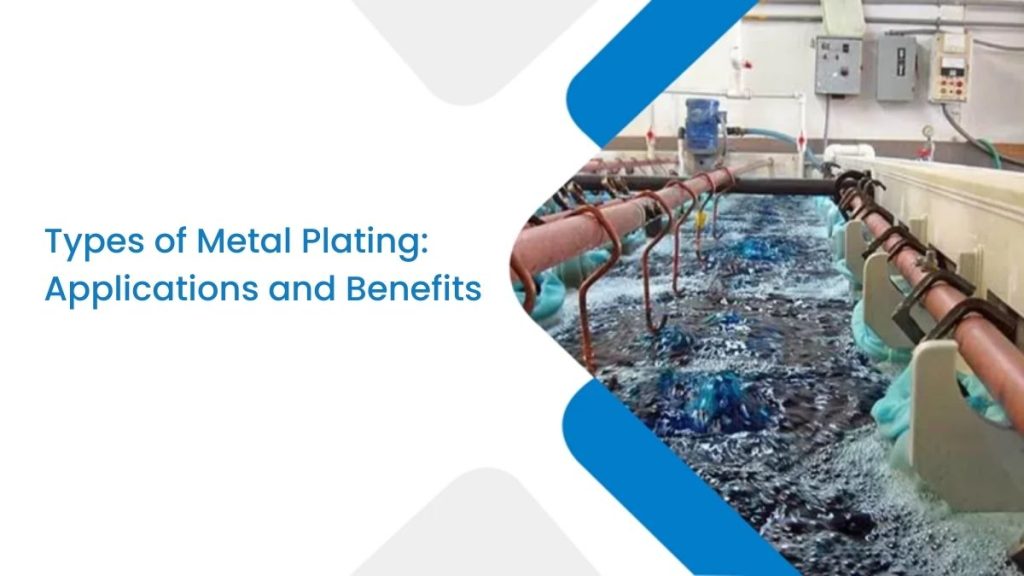
Metal plating is an essential part of a modern manufacturing process since it improves the functionality, tenacity, and outlook of engineered parts. Across industries such as automotive, aerospace, electronics, and precision engineering, the plating process is widely adopted to improve corrosion resistance, wear properties, and functional reliability. At Eigen Engineering, advanced plating techniques are integrated into industrial workflows to support high-performance components and precision metal parts.
This article gives an extensive insight into the most significant categories of metal plating, the purpose of the latter, and the advantages that it offers to industrial production.
Understanding the Metal Plating Process
The plating process refers to the application of a thin metallic coating onto a base material to enhance its surface characteristics. These coatings can be done either for functional purposes or ornamental purposes, or both. The choice of plating process is influenced by the required performance, the substrate environment, mechanical loads, and the surrounding stress.
The plating of metals has been generally categorised as industrial and decorative. Industrial metal plating focuses on durability, precision, and protection, while decorative plating enhances visual appearance alongside moderate protection.
Key Metal Plating Techniques
Common metal plating techniques are selected based on the required coating properties, substrate material, component geometry, and end-use application. Each technique within the plating process offers distinct advantages in terms of coating uniformity, durability, and industrial suitability.
The most widely used plating techniques include:
Electroplating
Electroplating is one of the most established plating techniques, using an electric current to deposit metal ions onto a conductive substrate. The plated component is used as a cathode, and the metal to plate is used as an anode in an electrolyte solution.
This plating process is widely used for coating metals such as copper, nickel, chromium, zinc, silver, and gold. The best use of electroplating is in car parts, electronic connections, and metal stamping parts because it enhances corrosion resistance, electrical conductivity, solderability and hardness of the surface.
Electroless Plating
Electroless plating is a chemical deposition process that does not require an external electrical current. Rather, with a controlled chemical reaction, the deposition of metal ions on the substrate surface becomes uniform. This makes electroless plating particularly suitable for non-conductive materials and components with intricate shapes.
The most widely used type of nickel plating is the electroless nickel plating because of its high wear, corrosion resistance, and uniform thickness. For precision engineering and complex industrial parts, electroless plating ensures uniform coverage even in recesses and internal cavities where electroplating may be inconsistent.
Immersion Plating
The immersion plating process is based on a displacement reaction where the less noble base metal is substituted by a more noble metal. The process is normally applied in thinly coating gold, silver, or tin, primarily in electronics. Although simpler than other plating techniques, immersion plating offers limited thickness control.
Types of Metal Plating Based on Coating Material
Metal plating can be categorised based on the type of metal deposited during the plating process, as each coating material offers distinct mechanical, chemical, and electrical properties. The choice of the coating metal should be considered as the key to the performance, durability, and compatibility with particular industrial operations. Types of metal plating that are most widely used are:
Nickel Plating
Nickel plating, including electroless plating, is widely used in industrial metal plating due to its hardness, corrosion resistance, and wear performance. It is normally used on automotive components, valves, hydraulic systems and electronic components. Electroless nickel coatings also serve as an excellent base layer for subsequent plating processes.
Zinc Plating
Zinc plating gives sacrificial corrosion protection to the components of steel and iron. Zinc plating can be used to increase the service life of fasteners, brackets and stamped metal components used in the outdoor and industrial setting frequently. This plating process is cost-effective and widely adopted in mass production.
Chromium Plating
Chromium plating provides a tough and attractive finish. Decorative chrome is applied in automotive trim and consumer goods, whereas hard chrome plating is applied to support an industrial use in need of wear resistance and less friction.
Copper Plating
Copper plating is necessary where there is a need for high electrical and thermal conductivity. It is frequently used in electronics, power systems, and as an underlayer in multi-step plating techniques to enhance adhesion and conductivity.
Gold and Silver Plating
Where high conductivity, corrosion resistance, and reliability are needed, gold and silver plating are used. The uses of these coatings are in electronics, medical and precision instruments. Even though they are expensive, they also provide the best performance in high usage contexts.
Applications of Industrial Metal Plating
Industrial metal plating is integral to numerous sectors:
- Automotive and Aerospace: Metal plating is used to increase corrosion resistance, reduce wear, and improve performance under severe conditions.
- Electrostatics and Electrical Systems: Copper, gold, silver and tin gilding enhance performance and allow sustainability.
- Medical Devices: Electroless plating provides uniform, biocompatible coatings for implants and surgical instruments.
- Manufacturing and Fabrication: A reliable metal stamping parts supplier often integrates the plating process to ensure durability, dimensional stability, and compliance with industry standards.
In the case of such manufacturers as Eigen Engineering, precision plating offers manufacturing constraints of quality uniformity in both mass production and one-to-one manufactured items.
Benefits of the Metal Plating Process
The plating process delivers multiple technical and commercial advantages:
- Increased corrosiveness and chemical resistance.
- It enhances resistivity during wear and hardness.
- Higher levels of electric and thermal conductivities.
- Less friction and more durability of elements.
- Better sticking of paint or where a second coating is expected.
- Improved aesthetic outlook of touchable components.
Specifically, electroless plating offers additional benefits, including uniform thickness, reduced equipment complexity, and the ability to coat non-conductive substrates without electrical power.
Selecting the Right Plating Technique
The type of plating chosen will be based on the needs of applications, exposure to the environment, compatibility with a material and the performance expectations. Industrial manufacturers and metal stamping parts suppliers often collaborate with experienced plating specialists to determine the most effective solution for each component.
Conclusion
Metal plating is still a pillar of contemporary production, which provides industries with performance, protection and dependability. From traditional electroplating to advanced electroless plating, each plating process offers unique advantages depending on design complexity and functional demands. By understanding different plating techniques and materials, manufacturers can ensure optimal component performance, extended service life, and compliance with industrial standards.
For Eigen Engineering, precision-driven industrial metal plating supports high-quality engineered solutions that meet the evolving needs of today’s manufacturing landscape.
About Author
Related Posts